Cold floors in January, stuffy bedrooms in July, and energy bills that never quite make sense; these everyday frustrations often trace back to one overlooked culprit. Upgrading home insulation in Queens, NY, fixes the root of the problem instead of masking it, and it delivers comfort and savings that you feel right away. Many homeowners pour money into new heating and cooling equipment while ignoring the insulation that lets all that conditioned air escape. Queens homes range from century-old houses to newer construction, and almost all of them benefit from a closer look at how well they hold conditioned air. This post explains how insulation works, the signs your home needs an upgrade, and the real benefits you gain when you finally address it.
Insulation acts as a barrier that slows the movement of heat, and that simple job has a big effect on how your home feels and what it costs to run. In winter, it keeps the warmth you pay for inside your home rather than letting it drift out through the attic and walls. In summer, it blocks outside heat from pouring in, so your cooling system does not fight a losing battle.
Good insulation creates steady, even temperatures from room to room, which means no more cold corners or overheated upstairs bedrooms. It also takes pressure off your heating and cooling systems, since they no longer run constantly to make up for lost air. Because your equipment cycles less often, it also lasts longer and needs fewer repairs over its lifetime. The result is a quieter, more comfortable home that costs less to run.
Your home usually drops hints when its insulation falls short, and once you know what to watch for, the clues are hard to miss. Rooms that feel noticeably warmer or colder than the rest of the house point to gaps in coverage. Drafts near walls, floors, and ceilings suggest air is moving where it should not, even when every window is shut tight.
Energy bills that creep up without any change in your habits often signal that conditioned air is escaping. In winter, ice dams along the roof edge and cold floors hint at heat leaking into the attic. If your heating and cooling system seems to run nonstop, weak insulation may be forcing it to overwork. You might also notice that your home feels humid and sticky in summer or dry and dusty in winter, both of which point to air moving freely between inside and out. Any of these signs is worth a closer look, since catching weak insulation early saves you money every month it goes unaddressed.
Different parts of your home call for different insulation solutions, and choosing the right material makes a real difference. Spray foam insulation expands to fill gaps and creates a tight, high-performance seal that also blocks air leaks. Blown-in insulation works well for attics and hard-to-reach spaces, settling into nooks that other materials miss. Foam board insulation offers strong, rigid coverage for walls and foundations. Comprehensive attic and wall insulation ties everything together for full-home protection.
Each material has a sweet spot. Spray foam shines in tricky cavities and rim joists where stopping air movement matters most. Blown-in cellulose or fiberglass blankets a wide attic floor quickly and affordably. Foam board adds a continuous layer of protection that cuts down on heat passing straight through the framing. A professional assessment helps you match the right material to each area, so you get the best performance for your investment instead of paying for the wrong fix.
Lower energy bills get most of the attention, yet a well-insulated home rewards you in other ways, too. Insulation dampens outside noise, so traffic and street sounds fade into the background and your home feels calmer. It helps maintain steadier indoor air and reduces the drafts that stir up dust and allergens.
Better efficiency also shrinks your carbon footprint, which appeals to homeowners who care about their environmental impact. Insulation also helps your home handle extreme weather, keeping it livable during heat waves and cold snaps when energy demand and prices spike. On top of all that, strong insulation raises your home's value and appeal, since buyers recognize the comfort and savings a well-sealed home provides. For a relatively modest project, few upgrades touch as many parts of daily life as insulation does.
Insulation only performs when a crew installs it correctly, with no gaps, compression, or missed spots. A professional team knows how to seal tricky areas, choose the right R-value for the New York climate, and avoid the moisture and ventilation issues that poor installation can create. Our blog on how professional foam board insulation installation saves money breaks down exactly why expert work pays off compared to a rushed do-it-yourself attempt.
Proper installation also accounts for ventilation, so your attic and walls breathe correctly and stay free of the trapped moisture that can lead to mold. The right installation protects your home for decades and ensures you capture every bit of comfort and savings you paid for.
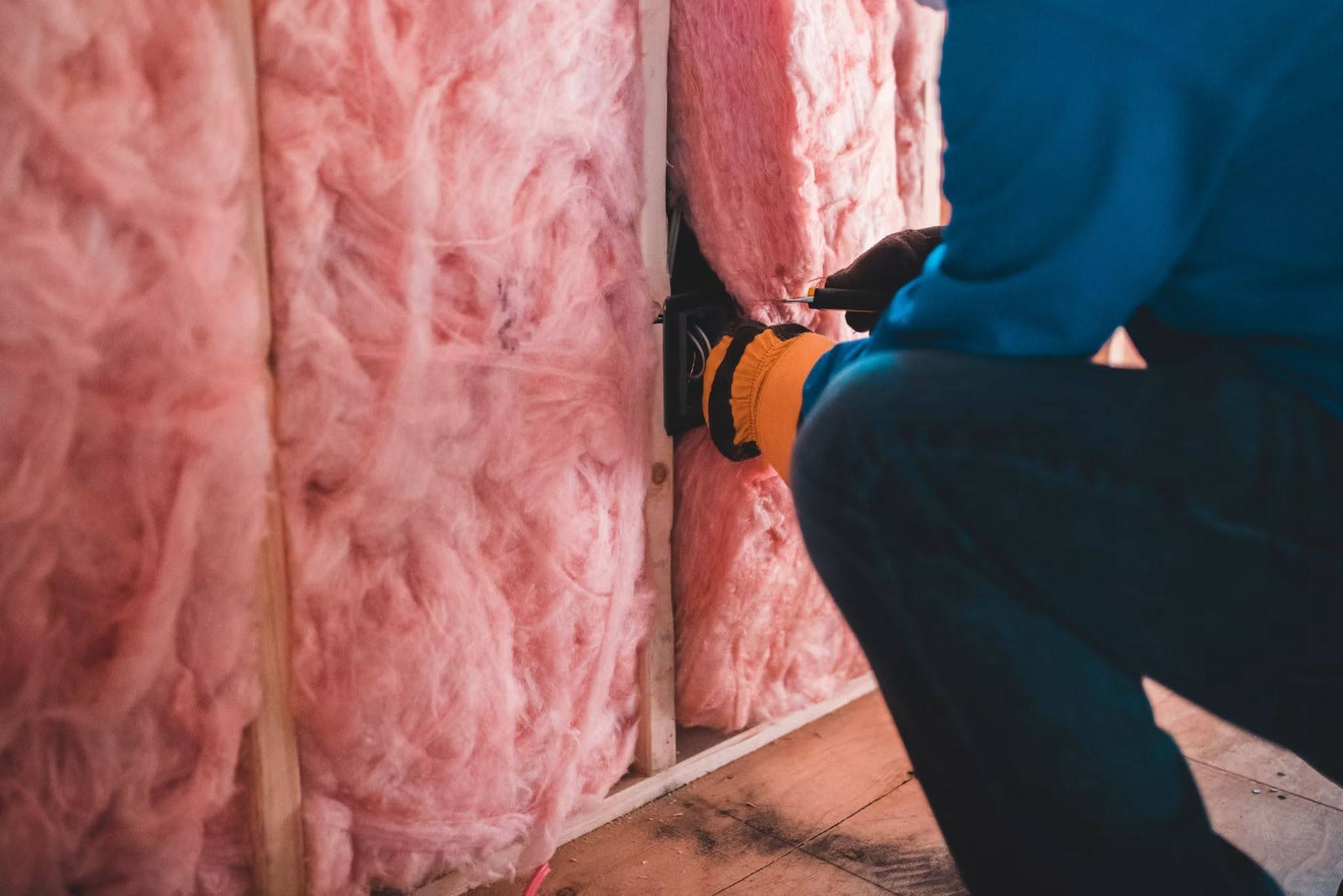
A professional insulation project is less disruptive than many homeowners fear. The crew starts by assessing the areas that need work, then protects your floors and furnishings before they begin. Depending on the material, they may drill small, easily patched holes to blow insulation into wall cavities, or roll out and seal new material across the attic floor.
Good installers also address air leaks first, since sealing gaps before adding insulation makes the whole system work better. Most jobs wrap up within a day or two, and a tidy team leaves your home cleaner than they found it. Before they go, they should walk you through the work and explain how to get the most from your new insulation. A reputable crew also cleans up thoroughly and answers any questions about what they installed and why. You should never feel left in the dark about work happening inside your own walls.
Insulation upgrades often qualify for valuable rebates and incentives, which means the project may cost far less than you expect. Many homeowners delay because they assume the price is out of reach, yet available programs can cover a meaningful share of the work. We help you identify the incentives you qualify for and handle the paperwork, so the savings come easily. For larger projects, financing spreads the cost into manageable monthly payments, making a full-home upgrade realistic for almost any budget. When you combine rebates with financing, the path to a more comfortable home becomes far easier than most people expect.
Upgrading home insulation in Queens, NY, ranks among the smartest improvements a homeowner can make, because it pays off in comfort, lower bills, and lasting home value all at once. Instead of fighting drafts and uneven temperatures season after season, you get a home that stays comfortable and runs efficiently year-round. When you pair quality insulation with available rebates, the investment becomes even easier to justify, and the comfort you gain shows up in the very first season.
We are AI Greenhome, a trusted insulation contractor serving Queens and the wider New York area. We install spray foam, blown-in, foam board, and attic and wall insulation, and we help you maximize rebates through major energy programs. Reach out through our contact page for a free estimate, and let our team turn your drafty, uneven home into a comfortable, efficient space.

Uneven temperatures, persistent drafts, rising energy bills, and a heating or cooling system that runs constantly all point to weak insulation. A professional assessment confirms exactly where your home falls short.
It depends on the area and the construction. Spray foam seals gaps tightly, blown-in works well for attics, and foam board suits walls and foundations. A professional evaluation helps you choose the right mix.
Savings vary by home, but sealing and insulating properly often reduces heating and cooling costs noticeably. The improvement is usually most dramatic in older homes with little existing insulation.
Many insulation projects qualify for rebates and incentives through utility and state programs. We help you find the programs you qualify for and handle the paperwork.
Most residential insulation projects finish within one to two days, depending on the size of your home and the areas being treated. Your installer will give you a clear timeline upfront.